
#60 Daniel Giacopelli on building For Starters
"it’s love, it’s failure, it’s passion, it’s money, it’s everything. it's personal."

Look around your room. What would you save if you could only pick one thing? Now think about your favourite coffee shop. The thing in common between them? Chances are, both exist because of small, independent businesses. And chances are, someone behind these things you love once spent days, months, even years, wondering whether they should start. Or they did start, but struggled with direction, or wrestled with the more existential question: do people care? That is where For Starters lives.
For Starters, in the words of its founder Daniel Giacopelli, is an essential weekly briefing for the next generation of small business owners. What makes it special is that it isn’t only for people who already run businesses, but for those who feel the pull, a persistent urge to one day start something of their own. It’s grounded in practical advice, yet leans aspirational for all of us who need it.
To understand why it exists, it helps to know Daniel’s own story. Daniel, or Danny as most would call him, found his way into journalism by helping to launch Monocle radio from 2011, before developing and hosting their series The Entrepreneurs. After leaving, he joined London-based Courier and became its Editorial Director, before it was acquired by Mailchimp, where he now helms as an editor.
All that work has been shaped by listening to the founders and builders behind some of the most thoughtful, interesting companies around the world. Alongside his full-time roles, this impulse took on a more personal form in Desire Paths, his newsletter of long-form interviews with “fascinating people,” and the thing that first drew me in. It resonated deeply as it felt much like the conversations I have for Objectively: thinkers and tinkerers doing things differently—iterations of trying to ask the same questions and say the same thing.
So when he launched For Starters in March last year—a more ambitious take on the small business world—I knew he was onto something even bigger. When the chance came to interview him (chance being that I woke up one morning to his comment on my photos), I took it and sent him a DM. In classic Danny fashion, he said yes.
He told me everything I wanted to know, right down to the day-to-day of producing the newsletter alongside his full-time gig. What we can learn from generations of small business owners. What to build, how to build it. Why For Starters needs to exist in a world dominated by tech chatter. He thought out loud about his dreams, shared what’s on the roadmap. And the one truth that every starter eventually comes to on their own.
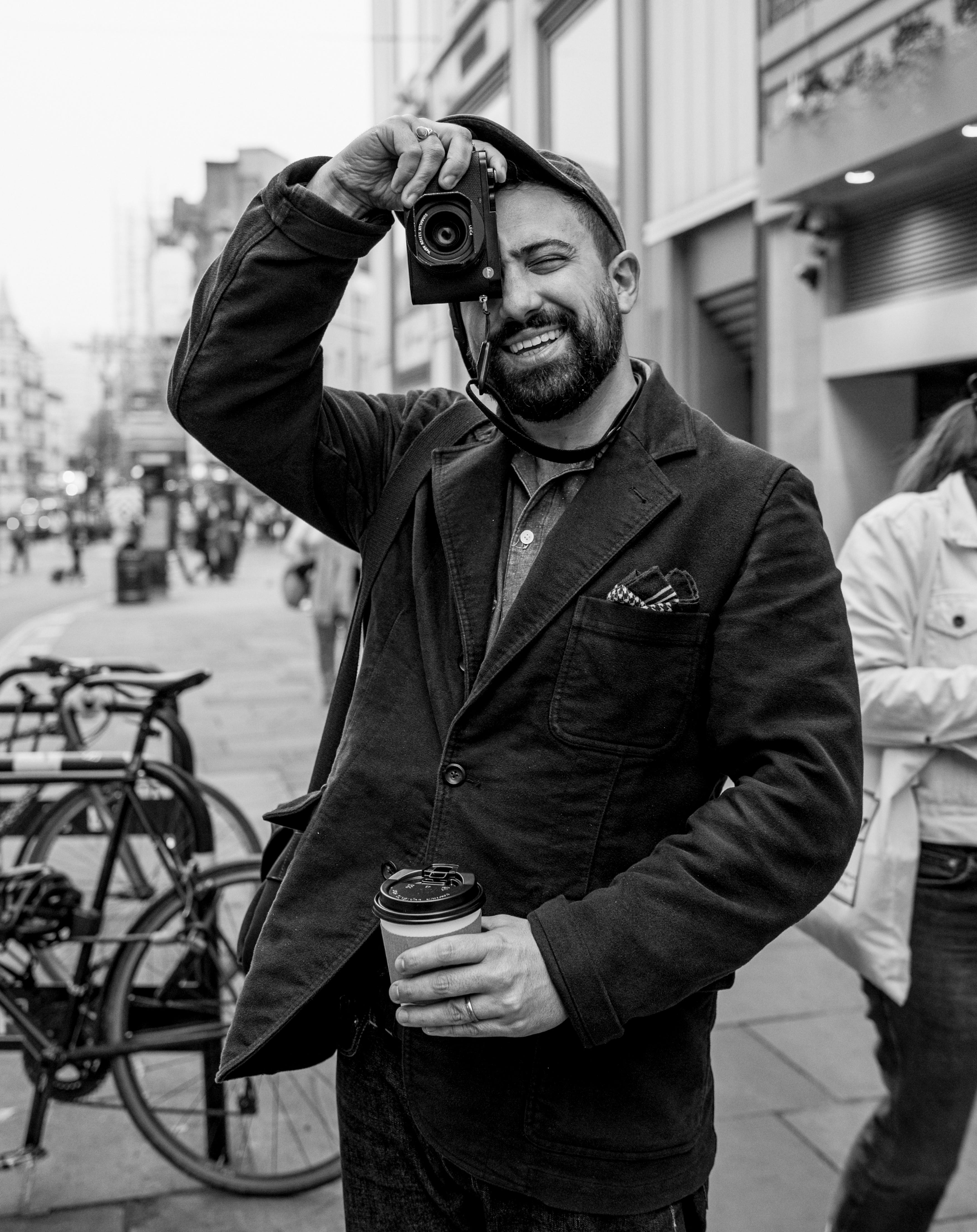
Hi Danny! You’ve been following the stories of business owners for almost fifteen years now. What is it that draws you to these personalities?
I find the best kind of stories in people who are following their passions. Some people do that by learning the violin and becoming world-class violinists. Others do it by becoming shopkeepers. Some build billion-dollar AI companies.
That’s where the juiciest, most interesting stories live—people following their passions, succeeding, failing, building great things. That’s really what life’s about. It covers the full spectrum of human experience. It’s love, it’s failure, it’s passion, it’s money, it’s everything.
It’s personal.
It’s very personal. Whereas in a nine-to-five, you’re not putting yourself out there the same way you are when you own a business.
I also think that the world leans heavily toward these stories from a tech perspective—your Elon Musks or Mark Zuckerbergs. Whereas you throw a rock down a main street and you’ll hit a small business with just as much struggles and trauma and passion as some of the world’s most famous tech founders. And yet, not many outlets tell those stories.
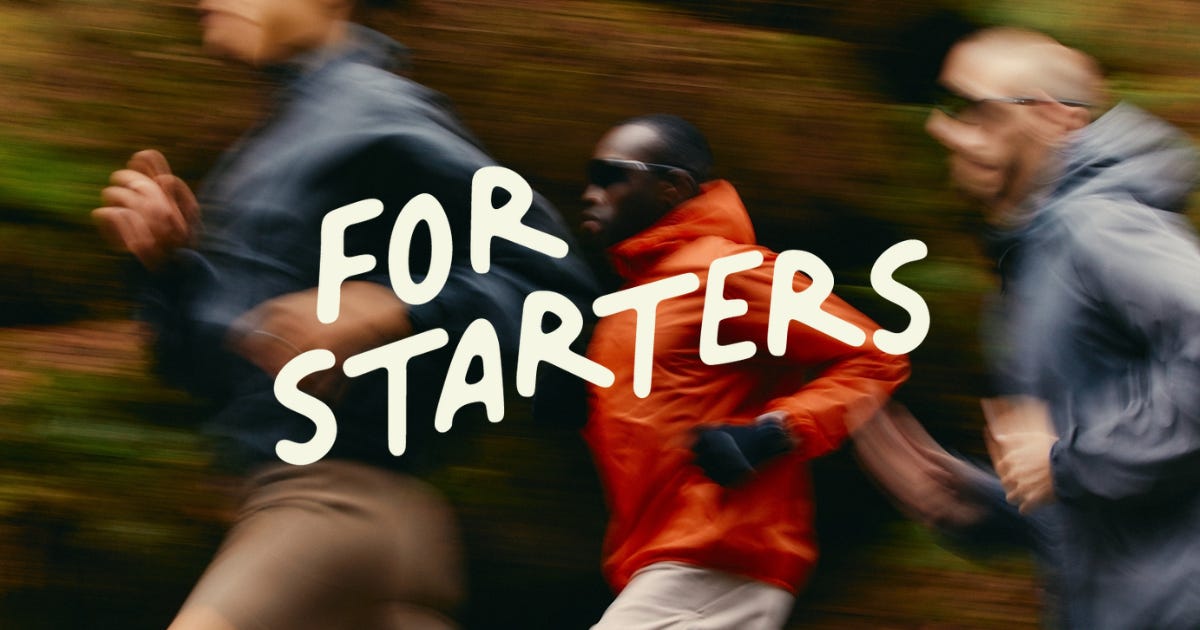
What are some shifts you’ve observed in telling these stories over such a long time?
I started in 2011 at Monocle, when direct-to-consumer was still a new thing. I remember having founders of Warby Parker and WeWork on the show. This was even before Girlboss and that whole era of startups.
We’re way beyond that now, and obviously entering this new phase of “Is AI going to help or screw up the world’s small businesses?”
It’s been a wide spectrum. But I often find it interesting to look back and see what businesses are still around. Often, they’re the more analogue ones, like leather bag makers, because people will always want that. If they figure out a way to make the business work, they’ll last. Whereas a lot of these businesses serving techy trends tend to live and die by them.
It really shows you what matters as well. It’s your relationships with customers, and knowing what people actually value.
One of my favourite businesses is Billykirk, a New York-based company founded in 1999 by two brothers. They make beautiful leather products with Amish craftsmen in Pennsylvania. They’ve been around for 26 years, and they’ll probably be around for another 26, and more. Whereas if I start some vibe-coding app tomorrow, maybe I’ll become a trillion-dollar company, but much more likely, I’ll fail spectacularly.
It hits differently when there’s a personal story, your heart and soul in the business. When it comes to For Starters, what are you finding challenging at this moment?
I’m growing this newsletter organically, trying to tell great stories while also growing the [subscriber] list and attracting people to this idea. Ultimately, I want to unite would-be small business owners and build a business around that. I want to create the go-to place where people who want to start companies can connect with each other, learn, get inspired, and access tools. That’s phase 2.0, which I’m heading into this upcoming year.
People make growing a newsletter look easy. It’s not at all, even with the best tools around.
I hear you’re hitting 10k [subscribers] soon! What does the day-to-day of putting this together look like?
I’m always collecting things throughout the week. One tool I use is MyMind. As I go about my days, anything mildly interesting for For Starters land, I scoop it up. Like a squirrel connecting nuts of all these articles, interviews, podcasts, photos of things in the real world.
On Tuesday or Wednesday, I’ll do a deep-dive into all my sources. I have hundreds of them—magazines, blogs, Instagram: what’s new, what’s interesting? I’ll hoover all of that into MyMind too.
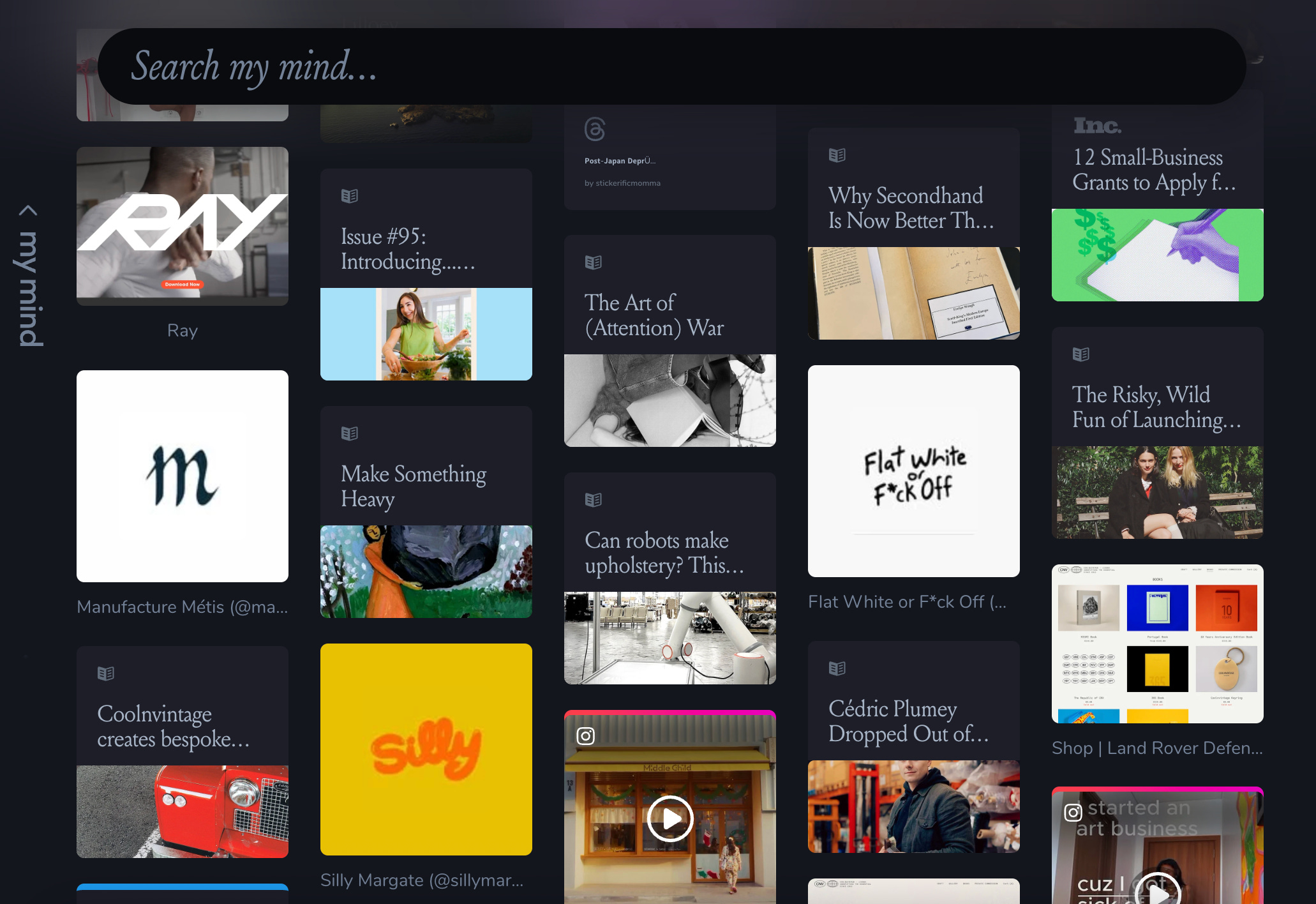
Then the next day, I will look at everything and think: what belongs in this week’s newsletter? What’s already been covered elsewhere that I don’t need to add to the noise? I sort everything into sections: articles, resources, tools. Every week I also run a big interview with a starter, which I spend the week carefully editing.
That’s how it all comes together, and I put everything into a Notion page for that edition. Thursday night, I schedule it. Friday morning, it goes out.
How do you decide what goes in this week versus another time? How important is timing?
It’s about finding a good balance. Is it something that makes you laugh, cry, something that is really, really useful? I also think about balance in terms of gender and geography. I don’t want it to become overly New York- or London-centric. I want it to be like: look at this incredible shop in Senegal, look at this great company in Sydney. [Ed note: He truly gets it all covered.] It’s about creating a holistic mix of stories, people, and life experiences; it’s a big jigsaw puzzle.
How do you measure success for a post? What does that feel like?
For me, it’s reader replies. You’ll always get some unsubscribes when you send an issue, just because people remember you exist. But you’ll often get new subscribers the next day too, as people share it. And then there are the replies.
I actively ask for them. Tell me what you are up to! Did you like this? It can be lonely doing this thing on your own in your office, pounding away at a newsletter you hope people read. Then you open your inbox and realise: oh, people actually do read this.
Is there a reply that’s stayed with you?
People have told me that they’ve built their businesses while listening to my [Monocle] podcast in the background, and that it kept them sane.
With For Starters, if a reader in London asks to meet up, I’ll always say yes. I love when I chat with someone and they’re like, “I’m trying to figure out my next business”, or “I’m stuck in a really boring job and want to start something. For Starters helps me stay sane and connected to inspiring stuff.”
It’s real, and it’s working, because really the whole point of this is not ego at all. I want to be a useful springboard for people starting businesses, using the tools and inspiration I share.
You mentioned earlier wanting to grow For Starters into a business in this next phase. How do you see that playing out?
I’d love to see it grow into a paid membership community, where subscribers get access to connections, inspiration, and advice. I want to do events, merch, collaborations, expert-led sessions. It would be nice for readers to be able to hang out—maybe you’ve only got a vague idea, but you want to talk to like-minded people. This becomes the place to learn, connect, and grow.
A lot of content and resources out there focuses on scaling your tech startups, but the economics of growing a small business are totally different. You have to worry about all these things that real businesses need to worry about that maybe if you’re a VC-funded tech startup, you could ignore for a year or two because you’re raising money. And yet a lot of that, this kind of grounded small business content, is not on a cohesive platform.
The possibilities are endless.
That’s really the problem, right? What do you start, and what’s first? With a mission of helping the next generation of small business owners, you could grow in lots of different ways. You could do a jobs board, be an events company, a networking company, print magazine, podcast, film series… but if you do all those things at once, you’re going to fail.
How do you stick to what you want and believe in, over getting distracted by possibilities or what others might tell you is best?
As boring as it sounds, I think you have to trust your gut. If I’d listened to what people were saying a year ago when I launched, I would’ve started with a paid tier immediately. A lot of people ask, “Why didn’t you launch with free and paid tiers at the same time, because then you know if people want to buy what you’re selling?” And maybe they’re right.
But I think actually by keeping it free for the last year, it helped me grow and experiment without the need to think, “Oh my god, are people going to cancel their subscriptions?” Or even sway too heavily towards what other people want versus what I want. I do have a survey in the newsletter asking for feedback, and often I am surprised that some people dislike the things that I like. So then, do you follow what they want (the customer is always right) or do you stick to your guns and say, “No, I think this should be the thing that exists in the world.” I don’t have the answer to that. I think it’s a dance between the two.
I think it comes down to what you’re optimising for. Engagement and profit demand different decisions than curation and “what am I trying to say and put out there in the world?”
Totally. I mean, if you ask a New York Times subscriber, “What do you like most about your subscription?” Some people will say Wordle, some people say the Wine Club, others say your unbelievable dispatches from Sudan. The job of the editor is to take all of that feedback into account and steer the ship in a way that accounts for all of it without diluting your message.
Of course I have to ask: what’s a small business you would start if not For Starters?
I would love to start something travel-related, maybe architectural maps of cities, or small business maps. There’s something in that that I love, because it’s paper, it’s travel, and it’s independent businesses around the world.
It makes sense as merch too—a map or a poster feels on brand.
Exactly. Another one I might explore down the line is to do what Airbnb Experiences does, but with a small business angle. Wouldn’t it be cool if you say, right, I’m going to Tokyo, and I want to book a workshop with this amazing paper maker, and you can do that? It becomes an online-to-offline experience. Now you’ve read this thing, you can actually experience and support them yourself.
One day, I’d also love to collaborate with small businesses. Instead of selling my caps, I’d like to create a bag, or a pen, a notebook, a jacket together.1
Now I’m sprouting off a million ideas, that’s because I’m excited about what I can build, and I have to get a bit focused on what comes first.
Dream even bigger. What comes to mind?
I’ve got this idea called Starter Streets. It’s not happening soon, maybe five years from now. I’d love to work with local city governments and Business Improvement Districts, to take over a street in Lisbon, or Detroit, or Singapore. Either revitalising an existing street or building one from scratch. (Who wants to be the bakery? Who wants to be the recording studio?) Helping small businesses talk to one another and share lessons.
Speaking of lessons, what’s one you’d like to share from running this thing so far?
Every week I tell my readers: you can literally just start something. I did wait quite a while before launching the newsletter because I was afraid of putting myself out there, but you just have to start. Your first couple issues will be crap. Mine were. But now I’m really happy with how it looks and reads, and you only get there from experimenting, and learning through doing. Don’t be afraid to make mistakes. Don’t be afraid to look a bit silly. It will all fall into place.
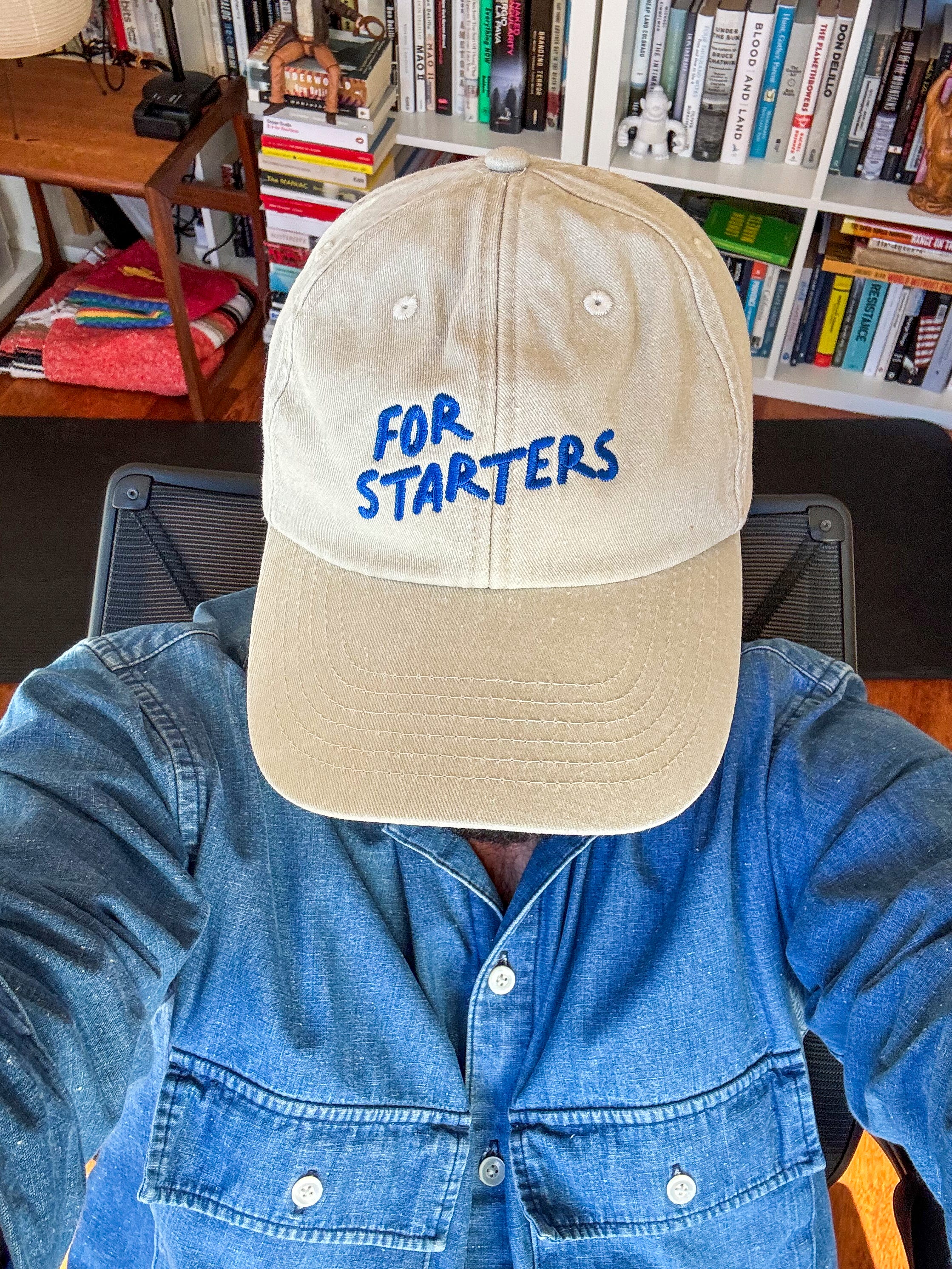
Help Danny hit 10k subs—read and subscribe at forstarters.co!
Objectively is a study in paying attention to people, their taste, and the lives they build around it. It’s also simply a record of what tickles my brain: people doing things differently, beautiful lived-in spaces, ideas that make me pause.
I hope this one inspires you to start something you’ve been thinking about, however big or small. It might just lead you to where you want to be!
Not a product collab but a start in that direction—check out Danny’s curation of interesting small businesses for Paynter, a special small batch jacket brand.
love For Starters - and would definitely join a paid membership community!